

Maintenance Charges in Gated Communities Explained
Apr 10, 2026
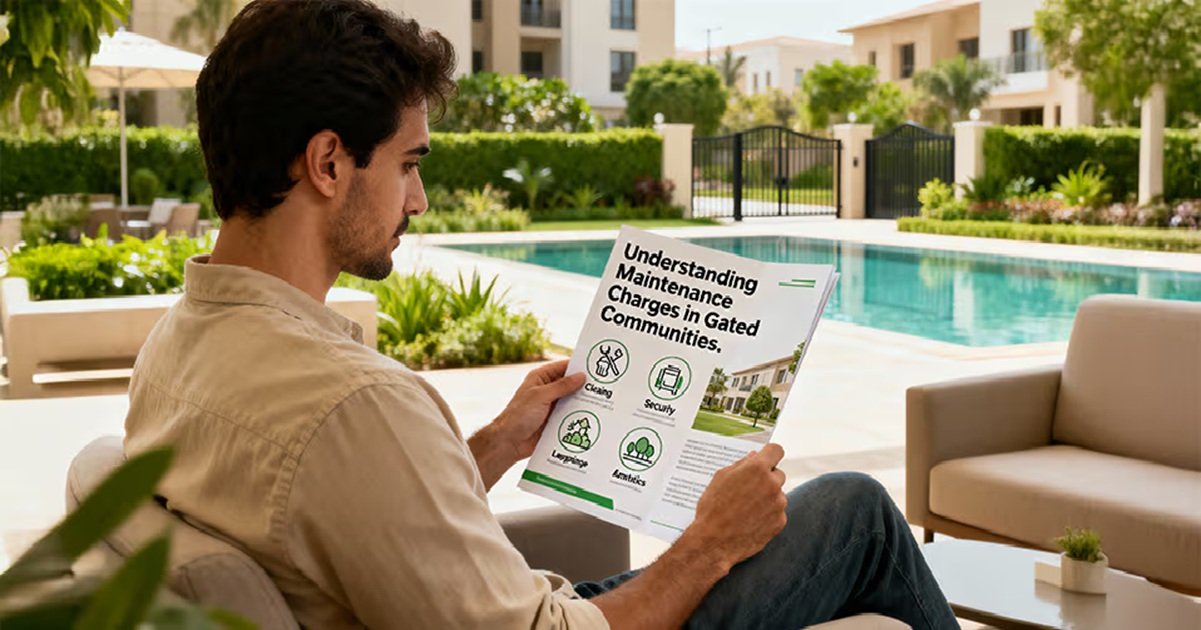
Living in a gated community offers security, convenience, and access to modern amenities such as landscaped gardens, clubhouses, and swimming pools. However, along with these lifestyle benefits comes an important recurring expense known as maintenance charges 💰. Many homebuyers focus mainly on property price but often overlook maintenance costs, which significantly impact monthly budgets.
This comprehensive guide explains maintenance charges in gated communities, what they include, how they are calculated, GST rules, and what buyers should check before purchasing a property.
What Are Maintenance Charges in Gated Communities? 🧾
Maintenance charges are regular fees paid by residents to maintain common areas, shared facilities, and overall infrastructure within a gated community.
These charges are typically collected monthly, quarterly, or annually by the Resident Welfare Association (RWA) or housing society.
The primary purpose of maintenance charges is to ensure the proper functioning of facilities such as:

Lifts
Security systems
Water supply
Recreational amenities
Without these charges, maintaining a high standard of living in residential complexes would be difficult.
Why Maintenance Charges Are Important ⭐
Maintenance charges are not just routine payments — they directly affect the quality of life and property value within a gated community.
Here’s why they matter:
✔ Ensure proper upkeep of common areas
✔ Provide security and safety services 🔐
✔ Maintain cleanliness and hygiene 🧹
✔ Support repair and replacement of equipment
✔ Improve long-term property value 📈
What Do Maintenance Charges Include? 🏗️
Maintenance charges cover a wide range of services and facilities required to maintain shared infrastructure.
- Common Area Maintenance 🧹
This includes routine cleaning and upkeep of shared spaces such as:
- Lobbies and corridors
- Staircases
- Parking areas
- Elevators
- Internal roads
Cleaning staff and housekeeping services are usually funded through these charges.
- Security Services 🔐
Security is one of the biggest benefits of gated living.
Maintenance charges typically include:
- Security guards
- CCTV monitoring
- Access control systems
- Visitor management systems
Security services alone account for a significant portion of maintenance expenses in many communities.
- Utilities and Infrastructure ⚙️
Utilities essential for daily operations include:
- Common area electricity
- Water supply systems 💧
- Sewage treatment plants
- Waste management systems
These systems ensure uninterrupted services to residents.
- Amenities Maintenance 🏊
Modern gated communities offer lifestyle amenities that require regular upkeep.
Examples include:
- Swimming pools
- Gymnasiums
- Clubhouses
- Sports courts
- Parks and gardens 🌳
The number of amenities available directly affects maintenance costs. Communities with more facilities typically have higher charges.
- Repairs and Equipment Maintenance 🛠️
Routine maintenance and repairs include:
- Lift servicing
- Generator maintenance
- Plumbing repairs
- Electrical maintenance
- Structural repairs
Regular servicing prevents breakdowns and extends equipment lifespan.
Types of Maintenance Charges in Gated Communities 📊
Maintenance charges are calculated using different methods depending on community rules.
- Per Square Foot Basis 📏
This is the most common calculation method.
Maintenance charges are calculated based on flat size.
Example:
Rate: ₹3 per sq. ft
Flat Size: 1,200 sq. ft
Monthly Maintenance: ₹3,600
This method ensures larger apartments contribute proportionately to expenses.
Fixed Monthly Charges 💳
Every resident pays the same amount regardless of flat size.
Example:
All flats pay ₹2,500 per month.
This method is simple but may not always be fair for residents with smaller units.
- Hybrid Calculation Method ⚖️
Some communities combine fixed and variable charges.
Example:
Fixed charge: ₹1,500
Variable charge: ₹2 per sq. ft
Hybrid models balance fairness and simplicity.
Factors That Affect Maintenance Charges 📌
Maintenance costs vary significantly depending on several factors.
- Size of Property 📐
Larger apartments typically require higher maintenance contributions.
Maintenance rates are often linked to built-up or super built-up area.
- Number of Amenities 🏊
More amenities result in higher operating costs.
Facilities like:
- Swimming pools
- Clubhouses
- Fitness centers
- Landscaped gardens
increase maintenance expenses.
- Location of the Property 📍
Urban gated communities often have higher maintenance charges due to:
- Higher labor costs
- Premium facilities
- Advanced security systems
- Age of the Building 🏚️
Older buildings require more repairs and replacements, increasing maintenance costs.
New projects may initially have lower maintenance charges.
Additional Charges Apart from Maintenance 💰
In many gated communities, residents pay additional charges beyond regular maintenance.
- Sinking Fund 🏗️
This fund is reserved for major repairs such as:
Building painting
Lift replacement
Structural repairs
- Corpus Fund 🧾
Corpus funds act as emergency reserves.
They are usually collected once during possession.
- Parking Charges 🚗
Some communities charge separately for:
Covered parking
Extra parking spaces
- Club Membership Charges 🎯
Luxury communities often charge separate fees for:
Clubhouse access
Special recreational services
GST on Maintenance Charges in Gated Communities 🧮
GST rules are one of the most confusing aspects of maintenance charges.
Understanding GST applicability is crucial for both residents and housing societies.
When Is GST Applicable?
GST applies to maintenance charges only if both conditions are met:
1️⃣ Monthly maintenance per flat exceeds ₹7,500
2️⃣ Society’s total annual collection exceeds ₹20 lakh
If both conditions are satisfied, 18% GST is charged on the total maintenance amount.
GST Calculation Example 🧾
Monthly maintenance = ₹8,000
GST = 18%
GST amount:
₹8,000 × 18% = ₹1,440
Total payable:
₹9,440
Important note:
GST is charged on the full amount, not only on the amount above ₹7,500.
Charges Exempt from GST 🚫
Some charges are excluded from GST, such as:
Electricity billed at actual cost
Water charges
Property tax payments
These items are usually treated separately in maintenance bills.
When Do Maintenance Charges Start? 📅
Maintenance charges usually begin:
✔ After possession of the property
✔ Sometimes before possession (advance maintenance collected by builder)
Builders often collect advance maintenance for 1–2 years to ensure smooth operations after project completion.
Common Issues Related to Maintenance Charges ⚠️
Residents often face several challenges regarding maintenance payments.
- Lack of Transparency
Some societies do not clearly explain how funds are used.
Transparent financial reporting improves trust among residents.
- Rising Maintenance Costs 📈
Maintenance costs have increased due to:
- Higher electricity costs
- Increased security expenses
- Growing number of amenities
Many residents report maintenance costs rising above ₹7,500, triggering GST liability.
- Disputes Over Charges ⚖️
Disagreements may arise regarding:
- Area-based charges
- Unequal payment structures
- Additional facility costs
Clear bylaws and agreements help avoid disputes.
Tips for Homebuyers Before Buying in a Gated Community 🏡
Before purchasing property in a gated community, always verify maintenance details.
✔ Ask for estimated monthly maintenance
✔ Check amenities included
✔ Understand GST applicability
✔ Review past maintenance bills
✔ Verify society rules
These steps help prevent financial surprises after moving in.
Future Trends in Maintenance Charges 🔮
Maintenance costs are expected to rise due to:
- Smart technology adoption
- Increased facility usage
- Sustainable infrastructure 🌱
Luxury communities with advanced features will likely have higher maintenance fees.
Frequently Asked Questions (FAQs) ❓
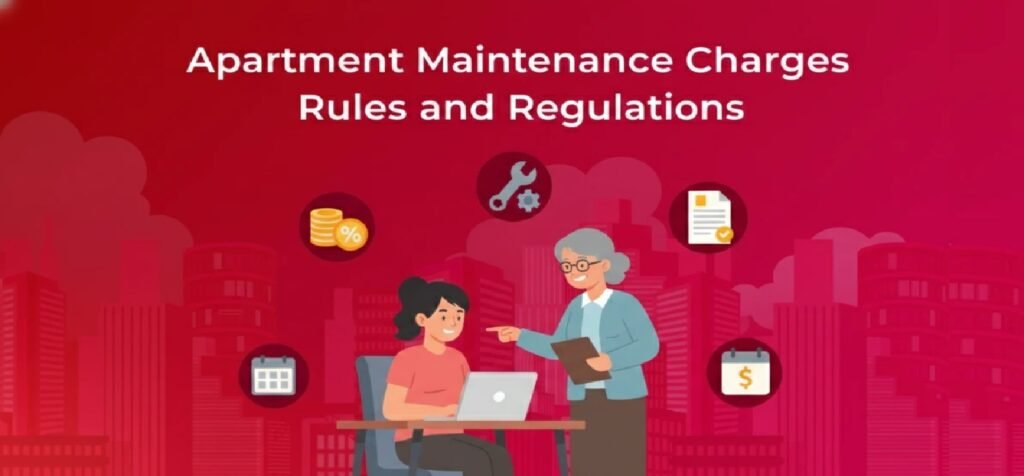
- What are maintenance charges in gated communities?
Maintenance charges in gated communities are regular fees paid by residents to maintain common areas, shared facilities, security systems, and infrastructure. These charges ensure smooth functioning of services such as lifts, water supply, cleaning, and amenities.
- What do maintenance charges usually include?
Maintenance charges typically include expenses for cleaning common areas, security services, electricity for shared spaces, water supply systems, waste management, lift servicing, and upkeep of amenities such as gyms, parks, and swimming pools.
- How are maintenance charges calculated in gated communities?
Maintenance charges are usually calculated using methods such as per square foot basis, fixed monthly charges, or a hybrid method combining fixed and variable charges. The calculation method depends on the housing society rules.
- What is the average maintenance charge in gated communities?
The average maintenance charge in gated communities varies depending on location, amenities, and property size. In many residential projects, maintenance charges typically range between ₹2 to ₹6 per square foot per month.
- When do maintenance charges start after buying a property?
Maintenance charges generally start after possession of the property. In some cases, builders collect advance maintenance charges for one or two years before handing over the project to the residents’ association.
- Is GST applicable on maintenance charges?
GST is applicable on maintenance charges if the monthly maintenance per flat exceeds ₹7,500 and the society’s annual maintenance collection exceeds ₹20 lakh. In such cases, GST is charged at 18% on the total amount.
- What are sinking funds and corpus funds in maintenance charges?
A sinking fund is collected for major future repairs such as painting, lift replacement, and structural work. A corpus fund is an emergency reserve collected during possession to cover unexpected expenses.
- Why do maintenance charges increase over time?
Maintenance charges may increase due to rising electricity costs, higher staff salaries, aging infrastructure, and the addition of new amenities. Regular repairs and inflation also contribute to higher maintenance costs.
- Can maintenance charges differ between gated communities?
Yes, maintenance charges can vary significantly depending on the number of amenities, location, building size, security systems, and overall infrastructure of the gated community.
- What should homebuyers check before paying maintenance charges?
Homebuyers should verify the estimated monthly maintenance cost, list of included amenities, GST applicability, past maintenance bills, and society rules before purchasing property in a gated community.
Conclusion 📝
Maintenance charges are a crucial aspect of living in gated communities. These charges ensure the smooth functioning of shared facilities, enhance safety, and maintain overall property quality.
Understanding how maintenance fees are calculated, what they include, and when GST applies helps homeowners make informed decisions.
Before buying property in a gated community, always review maintenance terms carefully to ensure long-term affordability and financial planning.
Disclaimer:
The views expressed above are intended for informational purposes only and are based on industry reports and publicly available news sources. While efforts have been made to ensure the accuracy of the information, The Homestore does not guarantee its completeness, reliability, or timeliness. The Homestore shall not be held liable for any decisions or actions taken based on the information provided.