

Common Home Improvement Mistakes and How to Avoid Them
Jan 18, 2025
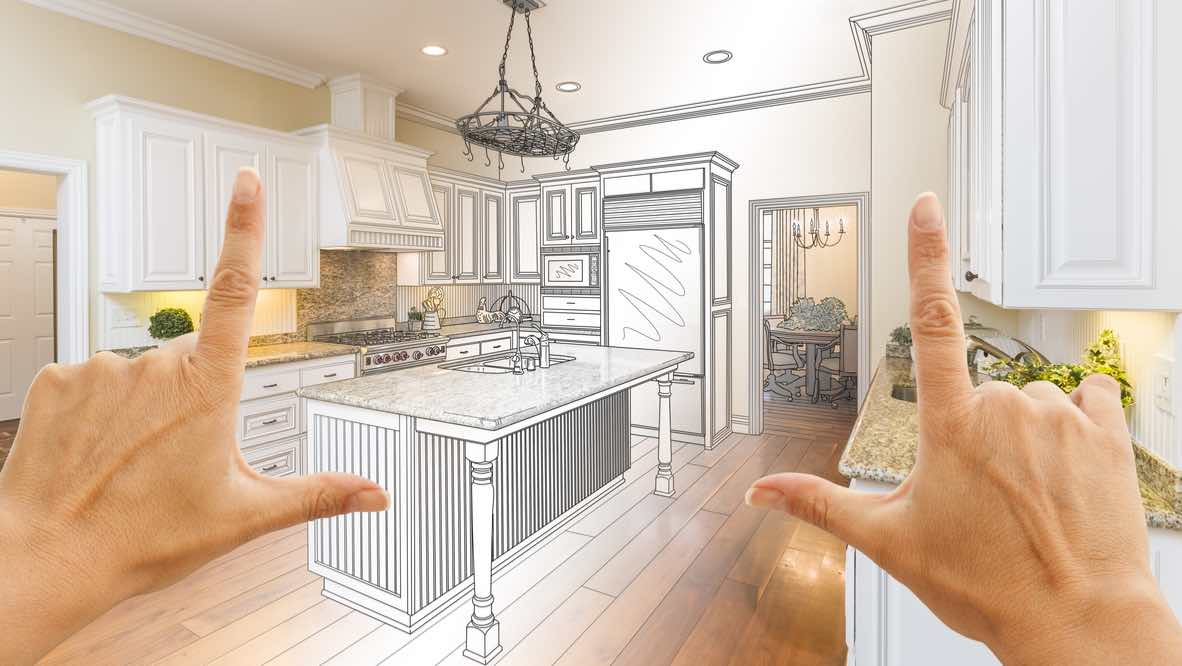
Renovating your home is an exciting adventure ✨, but it’s also easy to feel overwhelmed. The thrill of transforming your space can quickly turn to frustration if you stumble into common home improvement mistakes. From finding the right contractor 👷 to choosing the perfect furniture 🪑, the process is filled with potential pitfalls. But don’t worry! 😊 With careful planning and awareness of common errors, you can avoid costly and time-consuming blunders. This guide is here to help you navigate your home renovation journey smoothly and successfully 🚀.
Inadequate Planning and Lack of Vision
Not Having a Clear Vision 🎯
Many home improvement mistakes happen due to poor planning and rushed decisions. Imagine setting off on a road trip 🚗 without a map; you’d likely get lost. The same goes for home renovations. Before you even think about hiring a contractor 👷 or picking out materials 🧱, take the time to define your goals. What do you want your space to look like? How do you want it to function? Clear answers to these questions will guide your entire project.

Common Home Improvement Mistakes to Avoid
Rushing the Design Process ⏳
When you’re excited to start a project, it’s tempting to rush through the design process. However, detailed planning is crucial to avoid expensive mistakes down the line 💸. Measure your space carefully 📏, consider how you will use each area, and think about the flow and functionality. A rushed design can lead to a finished product that doesn’t meet your needs or expectations.
Hiring the Wrong Contractor ❌
Picking the Cheapest Option 💰
Selecting the lowest bid can be tempting, especially if you’re on a tight budget. However, choosing the cheapest contractor often leads to poor workmanship ⚠️, delays ⏱️, and additional costs. It’s essential to balance cost with quality. Research potential contractors, read reviews ⭐, and look at their previous work. Good communication is also key. Make sure they understand your vision and can explain the project details clearly.
Failing to Thoroughly Vet Contractors
Don’t just look at quotes. Ask potential contractors detailed questions about their experience, the materials they recommend 🧱, and their timeline 📅. Their answers will give you insight into their reliability and expertise. Hiring the wrong team can derail your project, causing stress 😓 and financial strain.
Unrealistic Budgeting 📊
Setting an Unrealistic Budget 🚫
Many homeowners underestimate the cost of home improvement projects. Avoiding home improvement mistakes can save both time and money. While it’s important to be budget-conscious, setting a budget that’s too low can force you to cut corners ✂️ or use substandard materials. Plan for average costs rather than the bare minimum to ensure a satisfactory outcome.
Not Accounting for Contingencies ⚠️
Even with the best planning, unexpected costs can arise. It’s wise to include a 20% buffer in your budget for surprises. Without this cushion, small issues can turn into significant problems, disrupting your project and causing stress.
Time Management Issues ⏰
Not Giving Yourself Enough Time ⌛
Underestimating the time required for home improvement projects is a common mistake. DIY enthusiasts often overlook how long tasks will take, especially when balancing other responsibilities. Professionals also struggle with timelines, so if you’re doing it yourself, be even more cautious. Allocate realistic timeframes and include extra time for unexpected delays 🚧. Rushing can result in incomplete work and prolonged disruptions to your daily life.
Working Beyond Skill Level 🛠️
Tackling Projects Beyond Your Expertise 🚫
Attempting DIY projects beyond your skill level can lead to significant problems. Even experienced DIYers can find themselves in over their heads, particularly with complex tasks like plumbing or electrical work ⚡. It’s essential to know your limits and when to call in a professional. Trying to figure things out as you go can result in costly mistakes and potential safety hazards.
Neglecting Permits and Regulations 📜
Ignoring Permits and Regulations ❌
Skipping permits is a big mistake in home improvement. Regulations vary by location, but major changes usually require a permit. Failing to obtain the necessary permits can result in project stoppages and fines 💰. More importantly, permits ensure that your renovation meets safety standards. Research local regulations and make sure you have all the required paperwork before starting.
Substandard Materials 🧱
Choosing Low-Quality Materials 🛑

Opting for cheaper materials might save money initially 💸, but it often leads to higher costs in the long run. Low-quality materials wear out faster and may need to be replaced sooner than expected. Investing in high-quality materials ensures your home improvements are durable and look good over time ✨. Quality supplies can significantly enhance the value and enjoyment of your home.
Improper Tools 🧰
Using the Wrong Tools ⚒️
Using improper tools is a common DIY mistake. It might seem convenient to use what you have on hand, but the wrong tools can cause damage and inefficiency ⚠️. For example, using a claw hammer 🔨 when a rubber mallet is needed can ruin your work. Investing in a good set of basic tools, including a cordless drill 🔧 and a circular saw, is essential. Safety gear 🦺 is equally important. If you only need a specific tool for a one-time job, consider renting it to avoid mistakes and ensure safety.
Ignoring Safety Precautions⚠️
Overlooking Safety Measures 🚨
Home improvement projects can be dangerous if safety precautions are ignored. It’s crucial to wear protective gear, use tools correctly, and follow safety guidelines. Accidents can lead to serious injuries and costly medical bills 💰, so always prioritize safety.
Overlooking the Long-Term Impact 🔮
Focusing Only on Immediate Results ⏳
Many homeowners focus on immediate results without considering the long-term impact of their renovations. It’s essential to think about how your improvements will hold up over time and how they will affect your home’s value 📈. Sustainable and durable choices might require a higher initial investment but will pay off in the long run.
Conclusion
Home improvement projects are exciting 🎉 but fraught with potential pitfalls. By planning carefully 📋, choosing the right contractor 👷, setting a realistic budget 💸, and being mindful of your limitations, you can avoid common mistakes. Remember to prioritize quality ⭐ and safety, and consider the long-term impact of your renovations. With these tips, you can ensure a smoother and more successful home improvement journey.
FAQs ❓
- What should I do if my contractor is not meeting expectations?❌
If your contractor isn’t meeting expectations, communicate your concerns clearly and promptly 📢. Document all issues and request a meeting to discuss solutions. If problems persist, consider hiring a different contractor or seeking legal advice ⚖️ if necessary.
- How can I avoid overspending on my home improvement project? 💸
To avoid overspending, set a realistic budget with a 20% buffer for unexpected costs. Plan your project thoroughly 📋, get multiple quotes 📑, and prioritize spending on high-quality materials and essential tasks.
- Do I really need permits for my home renovation? 📜
Yes, permits ensure that your renovation meets local safety standards and regulations 🏛️. Failing to obtain necessary permits can result in project delays 🚧, fines 💰, and safety issues. Check with your local building authority to determine what permits you need.
- Can I handle home improvement projects myself? 🛠️
It depends on your skill level and the complexity of the project. Simple tasks like painting 🎨 or minor repairs can be done by most homeowners. However, complex projects like electrical work ⚡, plumbing 🚿, or structural changes should be handled by professionals 👷.
What are the essential tools I need for DIY home improvement? 🧰
Essential tools for DIY home improvement include a cordless drill, circular saw, tape measure, level, screwdriver set, hammer, and safety gear like goggles and gloves. For specialized tasks, consider renting specific tools to ensure you have the right equipment.
Disclaimer:
The views expressed above are intended for informational purposes only and are based on industry reports and publicly available news sources. While efforts have been made to ensure the accuracy of the information, The Homestore does not guarantee its completeness, reliability, or timeliness. The Homestore shall not be held liable for any decisions or actions taken based on the information provided.